Faculty & Staff
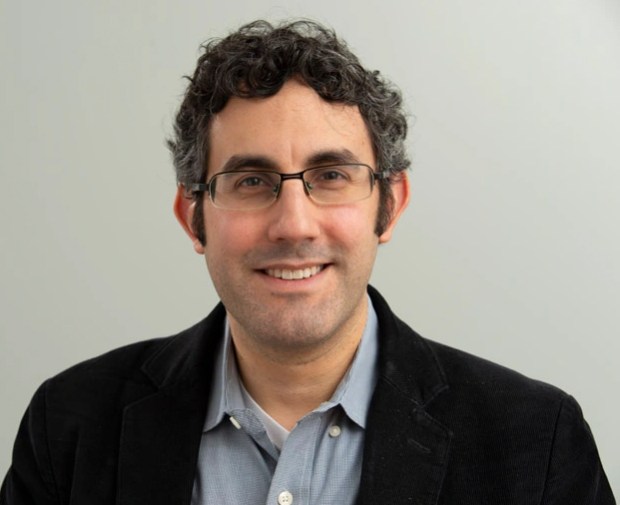
Keeve Nachman, PhD, MHS – Principal Investigator (faculty | ORCID | Google Scholar | Bluesky | LinkedIn) – Keeve is the Robert S. Lawrence Professor of Environmental Health and Engineering at the Johns Hopkins Bloomberg School of Public Health. He is also the Associate Director of the Johns Hopkins Center for a Livable Future and affiliated with the Johns Hopkins Risk Sciences and Public Policy Institute. Keeve’s research involves the application of the risk and exposure sciences to any array of topics, often in the context of food production. Examples of his current research projects are the development of better methods for estimating soil and dust exposure in children, using computational toxicological tools to prioritize novel contaminants in biosolids, understanding the role of transit in the transmission of COVID-19 and other infectious diseases, evaluating the role of policy in reducing the contribution of animal agriculture to antibiotic resistance, understanding the role of urban food systems in lead and other metals exposures, and many others. Keeve’s research is funded by federal agencies (EPA, NIH, USDA) and foundations/philanthropies. Outside of work, Keeve likes cycling, weird music, and dad jokes.

Sara Lupolt, PhD, MPH – Assistant Scientist – (faculty | ORCID | Google Scholar | twitter | LinkedIn)- As an exposure scientist, Sara’s research seeks to bring a critical and constructive eye to improve the art and practice of exposure assessment to tackle a wide variety of wicked environmental health and food system challenges. Her dissertation and postdoctoral research focus on developing innovative methods for estimating exposure to soil among agricultural workers (dissertation) and children (postdoctoral). Sara completed her doctoral training in the Department of Environmental Health and Engineering at the Johns Hopkins Bloomberg School of Public Health (2021) and was a CLF-Lerner Fellow at the Center for a Livable Future. Sara earned her MPH in Environmental Health Science and Policy at the George Washington University Milken Institute School of Public Health and her BA in Government and Environmental Studies from Franklin & Marshall College. When she’s not doing research, she enjoys exploring national parks and trying new foods and recipes.
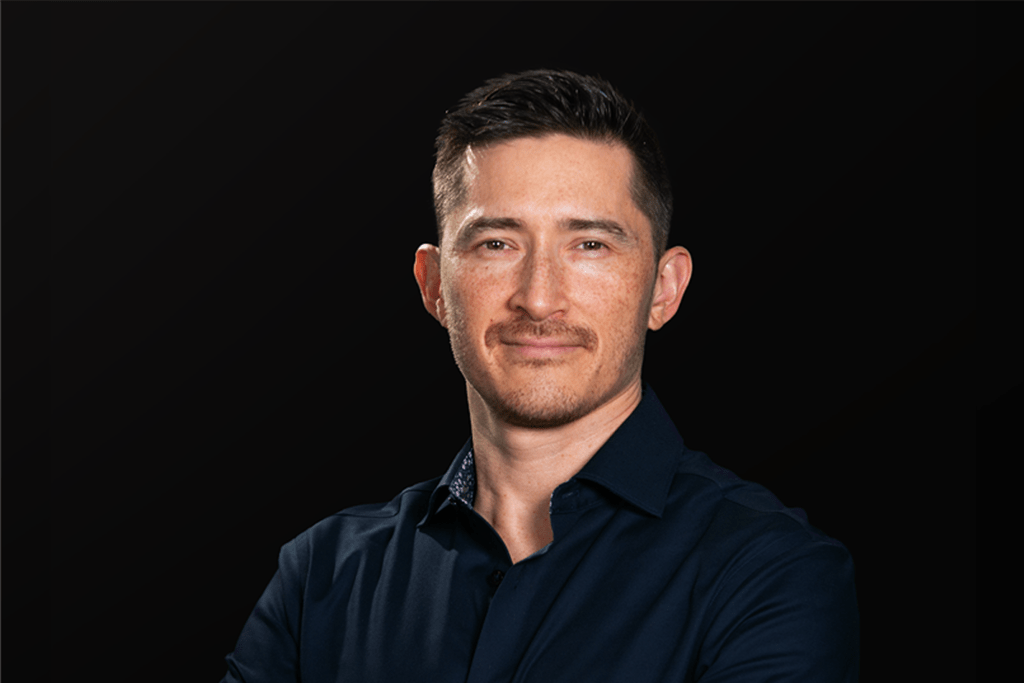
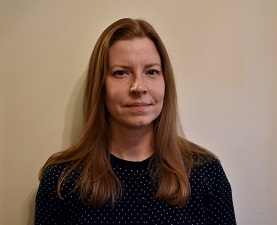
Brent Kim, MHS – Assistant Scientist (faculty | ORCID | Google Scholar | LinkedIn) – Brent serves as faculty at the Johns Hopkins Center for a Livable Future in the Department of Environmental Health and Engineering. His research spans food systems challenges from farm to fork, with published works on sustainable diets, industrial food animal production, food and agricultural policy, soil safety, urban food systems, and climate change. His work has been featured in Popular Science, The Guardian, The Huffington Post, NPR, and Newsweek. Brent earned his Master’s in Global Disease Epidemiology and Control from the Johns Hopkins Bloomberg School of Public Health. A former computer scientist, digital artist, and high school educator, Brent is equally at home developing quantitative models in Python and illustrating figures for scientific manuscripts, and he has never lost his love of teaching and visual communication. Outside of work, Brent enjoys science fiction, game design, and playing bass for the Baltimore band Tapir View.
Beth Riess, DrPH, MHS – Research Associate II – (faculty | ORCID) – Beth’s research encompasses the risk sciences and food safety, informed by professional experience in multiple domains including government, non-profit, industry, and consulting. Her current projects are focused on improving and applying methods for cumulative risk assessment, a critical yet underutilized tool that can help translate research on complex exposures (both chemical and nonchemical stressors) into actionable policies for regulatory decision-making. In a past life, she was a product developer in the flavor and beverage industry and has applied knowledge from this work in designing methods to improve dietary exposure assessment to food additives. Beth earned her both her DrPH (2025) and MHS in environmental health at the Johns Hopkins Bloomberg School of Public Health. Her free time is filled with cooking, piano playing, cat herding, and she occasionally manages to read for pleasure.
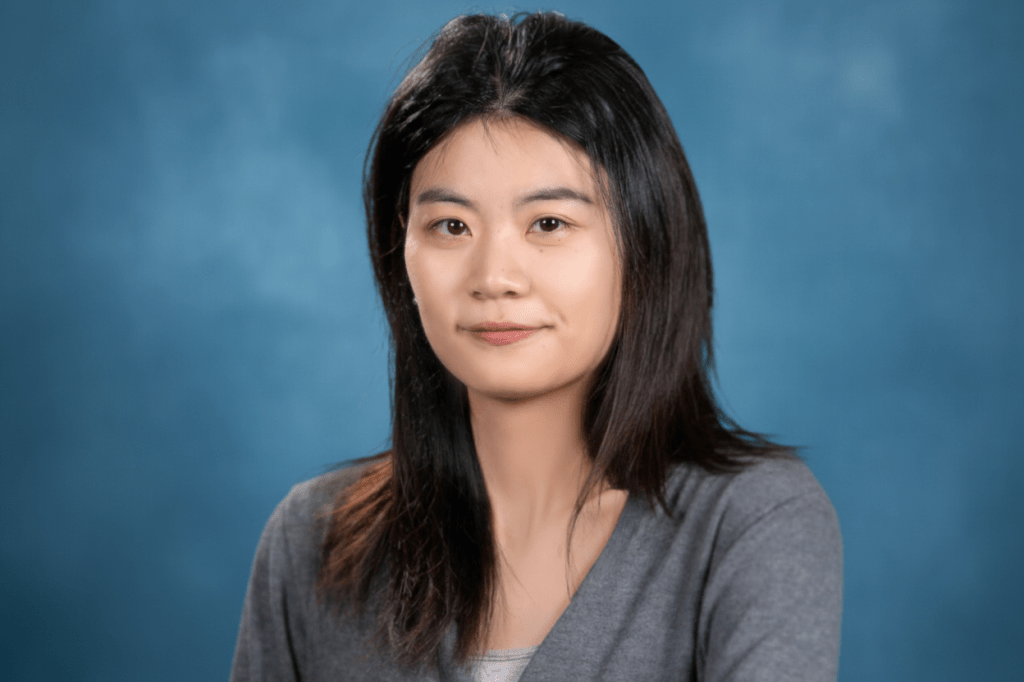
Qinfan Lyu, ScM – Research Program Specialist – Qinfan is a Research Program Specialist at the Center for a Livable Future within the Department of Environmental Health and Engineering at Johns Hopkins University. She holds an ScM in Environmental Health from the Johns Hopkins Bloomberg School of Public Health and a Certificate in Risk Sciences and Public Policy from the Johns Hopkins Risk Sciences and Public Policy Institute. Her work supports research at the intersection of environmental health, food systems, and industrial food animal production (IFAP), with a particular interest in the public health and environmental impacts of intensive animal agriculture. Outside of work, she enjoys experimenting in the kitchen, discovering new places to eat with friends and traveling.
Doctoral Trainees
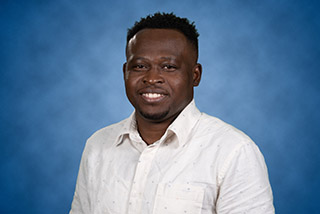
Charles Bakin, MSc, MS – (ORCID | Google Scholar | LinkedIn) – Charles is a 2nd year Ph.D. student in the Department of Environmental Health and Engineering, Exposure Sciences and Environmental Epidemiology (ESEE) track. He holds an MS in Food Science and Technology from The Ohio State University, a European Joint MS in Sustainable Food Systems from ISARA-Lyon (France), and a BS in Nutrition from the University for Development Studies (Ghana). He is a Center for a Livable Future (CLF)-Lerner Fellow and a Foundation for Food and Agriculture Research (FFAR) Fellow (2025–2028 cohort). His research interests focus on food safety at the intersection of food, environment, and public health. For his dissertation, he is working to address key knowledge gaps on the effectiveness of preharvest interventions used to control Salmonella in poultry in the U.S. through the application of Quantitative Microbial Risk Assessment (QMRA). Outside of his research, he enjoys soccer, traveling, watching documentaries and spending time with his family.
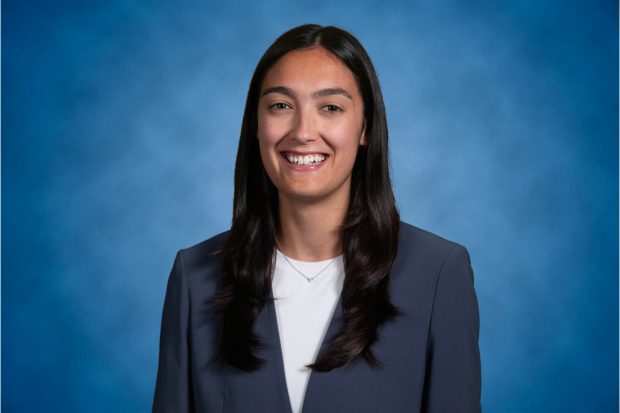
Elizabeth Chatpar, ScM – PhD Student (ORCID | LinkedIn) – Elizabeth is a second year PhD student in the Department of Environmental Health & Engineering at the Johns Hopkins Bloomberg School of Public Health. She is a CLF-Lerner Fellow through the Center for a Livable Future. She earned both a Master of Science (ScM) in Environmental Health and a BA in Earth & Planetary Sciences from Johns Hopkins. Her research interests include the intersections of climate change, food systems and exposure science. Currently, she is leading a systematic review examining health impacts associated with community-based exposures to industrial food animal production. In her free time, Elizabeth enjoys exploring the outdoors with her dog, baking, reading, and playing pickleball.
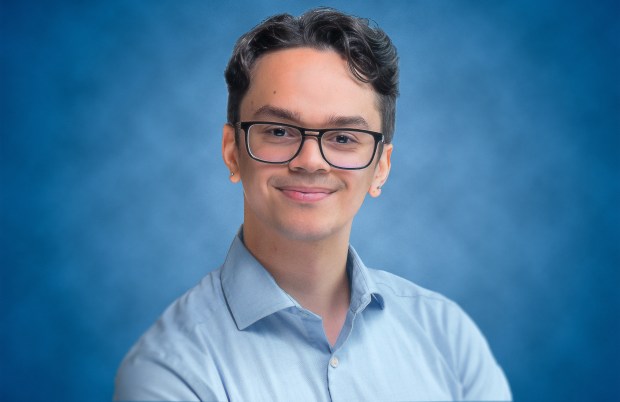
Andrew Vargas – PhD Student (LinkedIn) – Andrew is a first-year PhD student in the Department of Environmental Health and Engineering at the Johns Hopkins Bloomberg School of Public Health. Advised by Dr. Keeve Nachman and Dr. Sara Lupolt, he is in the Environmental Sustainability, Resilience, and Health track. As a first-generation student, he earned a Bachelor of Science in Toxicology from the Macaulay Honors College at CUNY John Jay College of Criminal Justice. Andrew’s previous work includes determining the role mercury-resistant bacteria play in soil-mercury emissions, analyzing mercury contamination of ancient human bones in an international collaboration, and documenting student perceptions of preparedness to navigate emotional responses to climate change and other environmental crises. As a CLF-Lerner Fellow through the Center for A Livable Future, he is interested in the impact of industrial food animal production on the health of vulnerable populations and the surrounding environments. Outside of his studies, he enjoys baking, reading fiction, and discovering new restaurants.
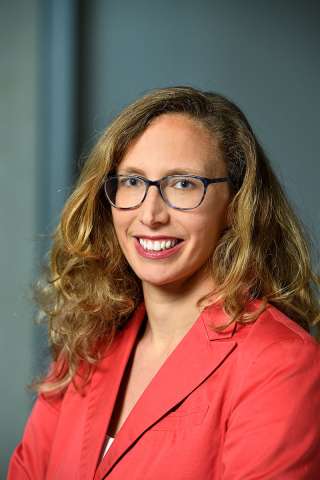
Elizabeth (Liz) Barksdale Boyle, MPH, CIH – DrPH Student (ORCID | LinkedIn) – Elizabeth (Liz) is a Senior Program Officer at the National Academies of Sciences, Engineering, and Medicine, where she directs projects on environmental health, including the highly cited reports Guidance on PFAS Exposure, Testing, and Clinical Follow-up and Cannabis Policy Impacts Public Health and Health Equity. She received the 2024 Cecil Award for Individual Excellence from the National Academy of Medicine. Liz is a Fellow of the Bloomberg American Health Initiative and is pursuing a DrPH at Johns Hopkins University. She has previously held roles at Westat, the Minnesota Department of Health, and in private consulting. She has an MPH from the University of Minnesota, and is a Certified Industrial Hygienist.
 Nachman Research Group